Saturday, October 10, 2026

J.P. Parise’s 11-Second OT Goal Gives Islanders Their First Playoff Series Win

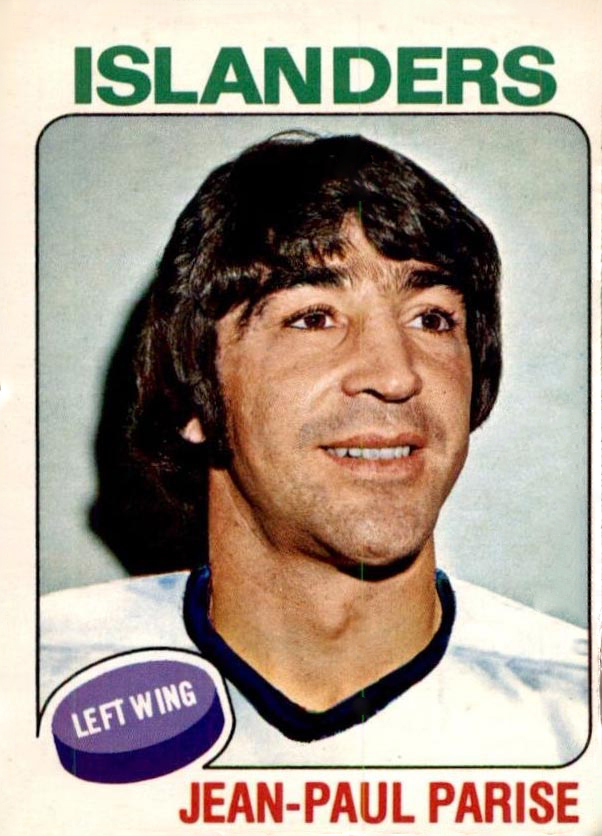
Image of the 1975-76 O-Pee-Chee 127 NHL hockey card featuring J.P. Parise of the New York Islanders.

The New York Islanders could hardly have asked for a more dramatic introduction to the Stanley Cup playoffs. Making their first postseason appearance in 1975, they faced their neighbours and natural rivals, the New York Rangers, in a best-of-three preliminary round. After the teams split the opening two games, the series came down to an April 11 showdown at Madison Square Garden.


Highlights

  • The Islanders made their first Stanley Cup playoff appearance in 1975.

  • Their opening series against the Rangers required a deciding third game.

  • Clark Gillies and Denis Potvin built a 3-0 Islanders lead.

  • Bill Fairbairn and Steve Vickers led the Rangers’ third-period comeback.

  • J.P. Parise scored just 11 seconds into overtime for a 4-3 victory.

  • The goal broke Pit Martin’s 12-second playoff overtime record from 1972.

  • Parise and Jude Drouin had joined the Islanders in separate January trades with Minnesota.

  • The Islanders advanced to the semifinals before losing to Philadelphia in seven games.


For two periods, the Islanders appeared to have the deciding game under control. Clark Gillies opened the scoring in the first, and Denis Potvin added two second-period goals, one on the power play and another shorthanded. That gave the visitors a 3-0 lead heading into the third. The Rangers, however, refused to let their season end quietly. Bill Fairbairn scored twice before Steve Vickers supplied the equalizer, sending the game into overtime.

The extra period lasted just 11 seconds. Jude Drouin found J.P. Parise, who beat Ed Giacomin to give the Islanders a 4-3 victory and the first playoff series win in franchise history. Giacomin had replaced Gilles Villemure during the second period and stopped all four shots he faced before overtime. The next one ended the Rangers’ season.

Parise’s winner also established a record for the fastest overtime goal in Stanley Cup playoff history. He shaved one second off the previous mark, set by Chicago’s Pit Martin against the Pittsburgh Penguins on April 9, 1972. For the Islanders, the historical footnote was a bonus: their first taste of playoff hockey had produced a series victory over their biggest rivals.

The two forwards behind the winning goal had arrived from the Minnesota North Stars just three months earlier. On January 5, 1975, the Islanders acquired Parise for Ernie Hicke and Doug Rombough. Two days later, they sent Craig Cameron to Minnesota for Drouin. Those separate deals gave New York a pair of experienced forwards who would make an immediate postseason impact.

The Islanders went on to eliminate Pittsburgh in seven games before pushing the Philadelphia Flyers to a seventh game in the semifinals. Against Philadelphia, New York lost the first three games before winning three straight to stay alive. Parise and Drouin helped launch that comeback in Game 4, this time reversing roles: Drouin scored the overtime winner, with assists going to Parise and Ed Westfall. The Flyers eventually ended the run, but the Islanders’ first postseason had given their fans plenty to remember.
Rangers vs. Islanders: Denis Potvin, Mark Messier, and Everything Else You Wanted to Know about New York's Greatest Hockey Rivalry cover

Rangers vs. Islanders: Denis Potvin, Mark Messier, and Everything Else You Wanted to Know about New York's Greatest Hockey Rivalry

Explore the fierce rivalry between the New York Rangers and New York Islanders, featuring legendary figures, unforgettable clashes, and the moments that defined one of hockey’s most intense matchups.

Buy on Amazon
The PDF versions of some of our hockey books are now available for free download: Take a look!

Friday, October 9, 2026

Hardy Astrom Makes 49 Saves as Colorado Rockies Beat Rangers in 1981

The New York Rangers fired 52 shots at Hardy Astrom on January 15, 1981, but the Colorado Rockies goaltender had an answer for all but three. Facing the team that gave him his NHL start, Astrom made 49 saves while Mike Gillis supplied a hat trick in a 4-3 Colorado victory.


Highlights

  • Astrom stopped 49 of 52 shots on January 15, 1981.

  • Colorado defeated the visiting Rangers 4-3.

  • Mike Gillis scored three of the Rockies’ four goals.

  • Gillis completed his hat trick with the winner at 15:18 of the third period.

  • Walt McKechnie scored Colorado’s other goal while shorthanded.

  • New York outshot Colorado 52-22.

  • Astrom played 83 NHL games with the Rangers and Rockies.


It was the second time Astrom faced at least 50 shots in a game with the Rockies. On October 13, 1979, he stopped 48 of 50 in a 2-1 loss to the Toronto Maple Leafs. This time, his teammates provided enough offence to turn another exhausting night into a win.

Colorado opened a 2-0 first-period lead on goals by Gillis and Walt McKechnie against Rangers goalie Doug Soetaert. McKechnie’s goal came shorthanded with Dave Watson serving a roughing penalty. Dave Silk replied for New York before the intermission, but Gillis struck again early in the second period to restore Colorado’s two-goal cushion.

The Rangers kept coming. Eddie Johnstone scored shorthanded in the second period, and Anders Hedberg tied the game 3-3 at 9:04 of the third. Gillis then completed his hat trick at 15:18, putting Colorado ahead for good. Despite outshooting the Rockies 52-22, New York left with a loss as Soetaert allowed four goals on 22 shots.

The victory improved Colorado’s record to 16 wins, 22 losses and seven ties through 45 games. Unfortunately, Astrom’s standout performance did not mark the beginning of a turnaround. The Rockies won just once in their next 17 games.

Astrom spent most of his professional career in Sweden and appeared in 83 NHL games with the Rangers and Rockies between 1977-78 and 1980-81. He never recorded an NHL shutout, but he did collect an assist in Colorado’s 6-1 win over the Chicago Blackhawks on December 17, 1980. Along with stopping 28 of 29 shots, he earned the lone helper on Joel Quenneville’s game-winning goal.

NHL Playoff Hat Tricks Of The 1960s cover

NHL Playoff Hat Tricks Of The 1960s

Relive the NHL playoff hat tricks of the 1960s with the stories, stars, and memorable performances behind some of the decade’s biggest postseason scoring nights.

Buy on Amazon
The PDF versions of some of our hockey books are now available for free download: Take a look!

Thursday, October 8, 2026

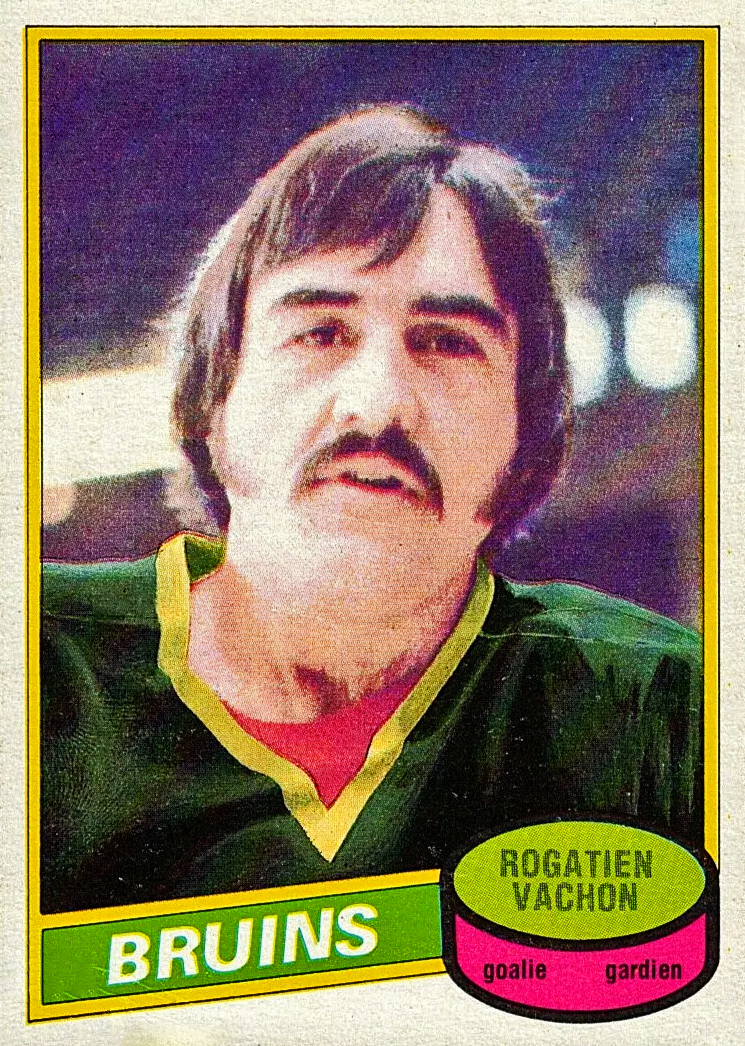
Rogie Vachon Records His 50th NHL Shutout Against the Surging Flyers

Image of the 1980-81 O-Pee-Chee 110 NHL hockey card featuring Rogie Vachon of the Boston Bruins.

The Philadelphia Flyers arrived at Boston Garden on November 16, 1980, riding a 13-game unbeaten streak. The Boston Bruins, meanwhile, had managed just four wins through their first 16 games. It hardly looked like the ideal matchup for a Boston breakthrough, but Rogie Vachon helped deliver one. Making his 10th appearance as a Bruin, the veteran goaltender stopped all 19 shots he faced to record his 50th career NHL shutout in a 1-0 victory.


Highlights

  • Vachon recorded his 50th NHL shutout on November 16, 1980.

  • Boston defeated Philadelphia 1-0 at Boston Garden.

  • The loss ended the Flyers’ 13-game unbeaten streak.

  • Brad Park scored the only goal at 9:35 of the second period.

  • Vachon made 19 saves; Phil Myre stopped 29 of 30 shots.

  • Vachon’s first NHL shutout came with Montreal on March 5, 1967.

  • He retired with 51 regular-season shutouts and entered the Hockey Hall of Fame in 2016.


More than 13 years had passed since Vachon’s first NHL shutout. On March 5, 1967, in just his eighth NHL appearance, he made 29 saves as the Montreal Canadiens defeated the New York Rangers 2-0. By the time he reached number 50, his career had taken him from Montreal to the Los Angeles Kings and Detroit Red Wings before bringing him to Boston.

Neither team scored through the opening period or the first half of the second. Finally, at 9:35 of the middle frame, Brad Park beat Philadelphia goaltender Phil Myre with a slapshot from the blue line. Stan Jonathan and Peter McNab earned the assists on what proved to be the game’s only goal.

Myre gave the Flyers every chance to extend their unbeaten streak, turning aside 29 of Boston’s 30 shots. At the other end, Vachon handled a lighter workload without allowing a breakthrough. Tom Gorence was Philadelphia’s busiest shooter, accounting for five of the Flyers’ 19 shots on net.

The milestone performance was Vachon’s only shutout in 53 appearances during the 1980-81 season. He added one more in 1981-82, his final NHL campaign, to finish with 51 regular-season shutouts, the same career total as Dave Kerr, Tomas Vokoun and Curtis Joseph. In 2016, Vachon’s long wait for another milestone ended when he was inducted into the Hockey Hall of Fame.

NHL Playoff Hat Tricks Of The 1960s cover

NHL Playoff Hat Tricks Of The 1960s

Relive the NHL playoff hat tricks of the 1960s with the stories, stars, and memorable performances behind some of the decade’s biggest postseason scoring nights.

Buy on Amazon
The PDF versions of some of our hockey books are now available for free download: Take a look!

Wednesday, October 7, 2026

Lindy Ruff’s Four-Goal Night Against the Quebec Nordiques

Lindy Ruff was hardly a regular visitor to the scoresheet’s goal column, averaging roughly one goal every six or seven games over his NHL career. But on December 15, 1985, the Buffalo Sabres veteran enjoyed a night that any superstar would have treasured. Ruff scored four times against the Quebec Nordiques at Buffalo Memorial Auditorium, powering the Sabres to a 6-2 victory.


Highlights

  • Ruff scored four goals against Quebec on December 15, 1985.

  • Buffalo won 6-2 at Memorial Auditorium.

  • Three of Ruff’s goals came in the second period.

  • His second goal stood as the game winner.

  • Two of his four goals came on the power play.

  • It was his second and final NHL hat trick.

  • Ruff later scored a penalty-shot winner against Quebec with the Rangers on November 26, 1989.


Nothing in the opening period hinted at the offensive outburst to come. The teams remained scoreless through 20 minutes before Mike Ramsey opened the scoring just 1:19 into the second. Ruff took over from there, beating Quebec goaltender Clint Malarchuk at 7:29 for his tenth goal of the season, assisted by Mike Foligno and Dave Andreychuk.

Just 1:58 later, Ruff struck again. With Buffalo on the power play, he scored at 9:27 with assists from John Tucker and Gilbert Perreault. That goal gave the Sabres a 3-0 lead and ultimately stood as the game winner. Quebec got on the board before Ruff completed his hat trick at 16:58, assisted by Foligno and Phil Housley, restoring Buffalo’s three-goal cushion.

Three goals would have made it a memorable evening, but Ruff had another finish waiting. At 13:33 of the third period, he scored his fourth of the game and 13th of the season, with Andreychuk and Ramsey collecting the assists. His second power-play goal of the night completed the scoring in Buffalo’s 6-2 win. It was the second and final hat trick of his NHL career.

The Nordiques would also provide the opposition for another unusual Ruff scoring milestone. On November 26, 1989, now wearing a New York Rangers uniform, he beat Mario Brunetta on a penalty shot at Madison Square Garden. The goal came at 11:20 of the second period, put New York ahead 2-0 and proved to be the winner in a 3-1 victory.

John Ogrodnick supplied the Rangers’ other two goals, including the opener just 15 seconds into the second period. Ruff’s only NHL penalty-shot goal was a fitting companion to his four-goal performance in Buffalo: two rare offensive highlights, two game-winning goals and the same unfortunate opponent.

“Then Perreault Said to Rico…”: The Best Buffalo Sabres Stories Ever Told cover

"Then Perreault Said to Rico…": The Best Buffalo Sabres Stories Ever Told

A collection of the greatest Buffalo Sabres tales — from unforgettable moments to iconic personalities in franchise history.

Buy on Amazon
NHL Playoff Hat Tricks Of The 1960s cover

NHL Playoff Hat Tricks Of The 1960s

Relive the NHL playoff hat tricks of the 1960s with the stories, stars, and memorable performances behind some of the decade’s biggest postseason scoring nights.

Buy on Amazon

Monday, October 5, 2026

George Armstrong’s Double-OT Goal Gave Toronto Its Only Win in the 1961 Playoffs

George Armstrong gave the Toronto Maple Leafs a dramatic start to the 1961 Stanley Cup playoffs, scoring in double overtime to defeat the Detroit Red Wings 3-2 at Maple Leaf Gardens. It would be Toronto’s only victory of the postseason. The Leafs had finished second overall in 1960-61, 24 points ahead of fourth-place Detroit, but that regular-season advantage meant little once the semifinal series began.


Highlights

  • Toronto finished 24 points ahead of Detroit in the 1960-61 standings.

  • Alex Delvecchio opened Game 1’s scoring just 14 seconds into play.

  • Ron Stewart’s late third-period goal forced overtime.

  • George Armstrong scored at 4:51 of double overtime for a 3-2 Toronto win.

  • Dick Duff and Allan Stanley assisted on the winner.

  • Cesare Maniago made 37 saves in his NHL playoff debut.

  • Detroit won the next four games, outscoring Toronto 13-5.

  • Both Toronto and first-place Montreal were eliminated in the semifinals.


Toronto never led during regulation in Game 1. Alex Delvecchio beat Cesare Maniago just 14 seconds after the opening faceoff, with Gordie Howe assisting. Bob Nevin pulled the Maple Leafs even with the second period’s only goal, but Howie Young restored Detroit’s lead early in the third. Ron Stewart kept Toronto alive, making it 2-2 with just over five and a half minutes remaining.

The Red Wings survived a dangerous stretch in the first overtime after Young received a slashing minor at 12:09. Toronto couldn’t capitalize on the power play, and the teams needed a second extra period to settle things. At 4:51, Armstrong finally beat Terry Sawchuk, with Dick Duff and Allan Stanley assisting on the winner.

Making his NHL playoff debut, Maniago stopped 37 of 39 shots to earn the victory. For Armstrong, the overtime winner would stand as his only goal of the playoffs. It was a memorable opening night for both players, but Toronto would have little to celebrate over the remainder of the series.

Detroit won the next four games, outscoring Toronto 13-5 along the way. Sawchuk’s contributions included a 29-save shutout in Game 3 as the Red Wings finished off the Leafs in five. The other semifinal also produced an upset, with the third-place Chicago Blackhawks eliminating the first-place Montreal Canadiens in six games. The NHL’s top two regular-season teams were out, leaving Chicago and Detroit to contest the Stanley Cup final.

NHL Playoff Hat Tricks Of The 1960s cover

NHL Playoff Hat Tricks Of The 1960s

Relive the NHL playoff hat tricks of the 1960s with the stories, stars, and memorable performances behind some of the decade’s biggest postseason scoring nights.

Buy on Amazon
The PDF versions of some of our hockey books are now available for free download: Take a look!

Friday, October 2, 2026

The Bruins Were Shut Out Just Once in 1970-71and It Took Two Goalies

The 1970-71 Boston Bruins are remembered for their remarkable offensive firepower, but even that powerhouse lineup had one scoreless night. On November 5, 1970, the St. Louis Blues visited Boston Garden and handed the Bruins their only shutout of the regular season. Boston fired 38 shots at the St. Louis net, but two goaltenders combined to turn them all away in a 2-0 Blues victory.


Highlights

  • Boston’s only shutout of the 1970-71 regular season came on November 5.

  • St. Louis won 2-0 at Boston Garden.

  • Glenn Hall stopped 25 shots through two periods.

  • Ernie Wakely added 13 saves in the third.

  • Frank St. Marseille scored the winner at 16:57 of the second period.

  • Jim Roberts added an empty-net goal with two seconds remaining.

  • Wakely recorded three shutouts over his next nine starts.


Glenn Hall handled the first two periods, stopping all 25 shots he faced. The veteran was coming off a shutout in his previous appearance, a 17-save performance against the Los Angeles Kings on October 31. Ernie Wakely took over for the third period in Boston and finished the job with 13 saves.

With the Blues keeping Boston off the scoreboard, Frank St. Marseille supplied the only goal St. Louis would need. At 16:57 of the second period, he beat Bruins goaltender Ed Johnston with assists from Jim Roberts and Tim Ecclestone. That goal held up as the game winner despite Boston’s continued pressure.

Johnston kept the Bruins within striking distance, making 23 saves and allowing just one goal before heading to the bench for an extra attacker. Roberts finally sealed the result with an empty-net goal at 19:58 of the third period. Bob Wall and Christian Bordeleau assisted, leaving Boston just two seconds away from an unusually quiet finish at the Garden.

For Wakely, those 20 scoreless minutes marked the beginning of an impressive stretch. Over his next nine starts, he recorded three shutouts and held opponents to a single goal on three other occasions. His relief appearance against the Bruins was a fitting introduction to a run in which opposing shooters frequently struggled to beat him.

Wakely delivered another scoreless third period in relief of Hall on January 6, 1971, stopping all five shots he faced against the California Golden Seals. That appearance came under very different circumstances: Hall had surrendered six goals on 28 shots through two periods, and St. Louis lost 6-3. The November performance in Boston remained the standout, a shared shutout against a team that scored in every other regular-season game.

The Franchise: St. Louis Blues (A Curated History of the Blues) cover

The Franchise: St. Louis Blues (A Curated History of the Blues)

A curated history celebrating the St. Louis Blues — their iconic players, historic moments, and lasting impact on hockey culture.

Buy on Amazon
The PDF versions of some of our hockey books are now available for free download: Take a look!

Thursday, October 1, 2026

Doug Gilmour’s Three-Point Night Leads Blues Past Maple Leafs in 1986

Long before becoming a fan favourite in Toronto, Doug Gilmour gave Maple Leafs fans a reason to groan on November 12, 1986. The St. Louis Blues forward scored twice and added an assist in a 4-2 victory over Toronto at the St. Louis Arena. His three-point performance contributed to a productive November in which he collected 21 points in 14 games, helping fuel his first 100-point NHL season.


Highlights

  • St. Louis defeated Toronto 4-2 on November 12, 1986, at the St. Louis Arena.

  • Doug Gilmour scored twice and added an assist.

  • Gilmour’s third-period power-play goal stood as the game winner.

  • Jim Pavese matched Gilmour with three points, all assists.

  • Mark Hunter recorded a Gordie Howe hat trick.

  • Rick Wamsley stopped 36 of Toronto’s 38 shots.

  • Gilmour collected 21 points in 14 November games during his first 100-point NHL season.


Norris Division Rivals Meet in St. Louis

The matchup brought together two teams that would each finish the 1986-87 season with 32 wins. St. Louis eventually claimed the Norris Division title with 79 points, while Toronto finished fourth with 70. On this November evening, Gilmour made the difference, contributing to three of the Blues’ four goals against the team he would later captain.

After a scoreless first period, Steve Thomas gave Toronto the lead at 4:52 of the second, beating Rick Wamsley with assists from Rick Vaive and Al Iafrate. Gilmour answered exactly five minutes later, scoring his fifth goal of the season with help from Brian Sutter and Jim Pavese. Before the intermission, Gilmour assisted on Mark Hunter’s go-ahead goal, sending St. Louis into the third period with a 2-1 advantage.

Gilmour Delivers the Game Winner

At 6:57 of the third, Gilmour struck again on the power play. His sixth goal of the season, assisted by Hunter and Tim Bothwell, proved to be the game winner. Gilmour, Hunter and Sutter each registered five shots, combining for 15 of the Blues’ 36 shots on Toronto goaltender Ken Wregget. At the other end, Wamsley stopped 36 of 38 shots to earn the victory, with Thomas leading all players with eight shots on net.

Gilmour was not the only Blue to enjoy a memorable night. Pavese recorded three assists, matching Gilmour’s point total. Hunter contributed a Gordie Howe hat trick, combining his goal and assist with a first-period fight against Toronto’s Mike Allison.

A Breakthrough Season for Doug Gilmour

Gilmour finished the 1986-87 campaign with 105 points, reaching the century mark for the first time in his NHL career. It was also his only season with more than 40 goals. His three-point effort against Toronto was one more example of the offensive ability he was establishing in St. Louis, years before Maple Leafs fans would be cheering those performances themselves.

The Franchise: St. Louis Blues (A Curated History of the Blues) cover

The Franchise: St. Louis Blues (A Curated History of the Blues)

A curated history celebrating the St. Louis Blues — their iconic players, historic moments, and lasting impact on hockey culture.

Buy on Amazon
The PDF versions of some of our hockey books are now available for free download: Take a look!

Tuesday, September 29, 2026

Ivan Boldirev Scores Four as Golden Seals Outlast Blues 8-6

The California Golden Seals didn’t have many nights to celebrate in 1973-74, but Ivan Boldirev gave them one on January 9. Hosting the St. Louis Blues at the Oakland-Alameda County Coliseum Arena, Boldirev scored four goals in an 8-6 victory. He accounted for half of California’s offence as the Seals earned just their ninth win in 40 games.


Highlights

  • California defeated St. Louis 8-6 on January 9, 1974.

  • Ivan Boldirev scored four goals, including the game winner.

  • The Seals erased a 4-2 deficit with four unanswered second-period goals.

  • Boldirev’s fourth goal was his 14th of the season.

  • Rick Kessell sealed the win with an empty-net goal with four seconds remaining.

  • Reggie Leach added a goal and an assist.

  • California earned its ninth victory in 40 games and finished the season with just 13 wins.


A Bright Spot in a Difficult Season

California finished the season with a miserable 13-55-10 record and 36 points, placing last in the NHL and 20 points behind the next closest team. The struggles were reflected in the players’ numbers, with Reggie Leach finishing at minus-62 and Boldirev at minus-53. On this particular night, however, the Seals had enough scoring power to overcome their defensive troubles.

Boldirev’s first goal came late in the opening period, pulling California into a 2-2 tie. Floyd Thomson quickly restored the Blues’ lead, then scored again early in the second period to put St. Louis ahead 4-2. For a team accustomed to losing, the Seals appeared headed toward another disappointing result.

Four Unanswered Goals Turn the Game Around

Instead, California responded with four unanswered goals before the second intermission. Boldirev scored twice during the surge, completing his hat trick and helping the Seals turn a two-goal deficit into a 6-4 lead. He struck again at 11:36 of the third period, scoring his fourth of the night and 14th of the season. That goal made it 7-4 and ultimately stood as the game winner.

St. Louis refused to go quietly. The Blues scored twice, cutting California’s lead to 7-6 with 34 seconds remaining. Rick Kessell finally settled matters with an empty-net goal at 19:56. His first goal of the season secured an unusually productive night for the Seals and an 8-6 victory.

Boldirev and Leach Were Soon Moving On

Boldirev led California with eight shots on goal, while Leach recorded seven shots and contributed a goal and an assist. Both would be wearing different uniforms by the start of 1974-75: Boldirev moved to the Chicago Blackhawks, while Leach joined the Philadelphia Flyers. For one January evening in Oakland, though, they helped give Golden Seals fans a welcome break from a difficult season.

The California Golden Seals: A Tale of White Skates, Red Ink, and One of the NHL's Most Outlandish Teams cover

The California Golden Seals: A Tale of White Skates, Red Ink, and One of the NHL's Most Outlandish Teams

Discover the fascinating and unconventional story of the California Golden Seals — one of the NHL’s most memorable and unusual franchises.

Buy on Amazon
The PDF versions of some of our hockey books are now available for free download: Take a look!

Monday, September 28, 2026

February 6, 1986: Andreychuk Makes Buffalo Sabres History

The Boston Bruins scored six goals at Boston Garden on February 6, 1986 and still couldn’t keep pace with the Buffalo Sabres. Dave Andreychuk supplied five goals and an assist in Buffalo’s 8-6 victory, becoming the first player in franchise history to score five times in a single game.


Highlights

  • Buffalo defeated Boston 8-6 at Boston Garden on February 6, 1986.

  • Dave Andreychuk became the first Sabre to score five goals in a game.

  • All five goals came against Doug Keans in the first two periods.

  • His fifth goal, at 17:15 of the second period, was the game winner.

  • An assist on Normand Lacombe’s goal gave Andreychuk six points.

  • Tom Barrasso made 38 saves as Boston outshot Buffalo 44-21.

  • Tage Thompson matched Andreychuk’s five-goal record on December 7, 2022.


Buffalo Strikes Early at Boston Garden

Mike Foligno opened the scoring just 37 seconds into the game. Andreychuk then added two consecutive goals, giving Buffalo a 3-0 lead by 14:30 of the first period. Boston answered with two quick goals before the intermission, trimming the Sabres’ advantage to 3-2 and setting the stage for another busy period.

Three More Goals in the Second Period

Andreychuk completed his hat trick at 4:40 of the second, but his night was far from finished. He scored three times in the period, beating Bruins goaltender Doug Keans for all five of his goals through 40 minutes. His fifth, scored at 17:15, was his 24th of the 1985-86 season. It gave Buffalo a 7-4 lead and ultimately stood as the game-winning goal.

Boston coach Butch Goring replaced Keans with Pat Riggin for the third period after Keans surrendered seven goals on 17 shots. Riggin faced only four shots in relief, allowing Buffalo’s final goal to Paul Cyr. Andreychuk also assisted on a Normand Lacombe goal, bringing his personal total to six points.

Barrasso Handles the Heavier Workload

While Andreychuk turned seven shots into five goals, Tom Barrasso faced a much busier night in Buffalo’s net. The Sabres goaltender stopped 38 of Boston’s 44 shots, helping Buffalo win despite being outshot 44-21. Ray Bourque led the Bruins with seven shots but was unable to beat Barrasso.

Andreychuk’s performance established a Sabres single-game record that stood alone for more than 36 years. On December 7, 2022, Tage Thompson matched it with five goals against the Columbus Blue Jackets. The record may now be shared, but Andreychuk remains the first Sabre to reach that remarkable mark.

“Then Perreault Said to Rico…”: The Best Buffalo Sabres Stories Ever Told cover

"Then Perreault Said to Rico…": The Best Buffalo Sabres Stories Ever Told

A collection of the greatest Buffalo Sabres tales — from unforgettable moments to iconic personalities in franchise history.

Buy on Amazon
The PDF versions of some of our hockey books are now available for free download: Take a look!

Friday, September 25, 2026

Denis Savard’s Only NHL Penalty Shot Goal Started a Hat Trick

Denis Savard scored just once on five penalty shots during his NHL career. That lone success came on December 15, 1985, against the Detroit Red Wings at Chicago Stadium and it launched a hat trick. With Detroit leading on an early Steve Yzerman goal, Savard beat Greg Stefan on a penalty shot at 7:57 of the first period. His 17th goal of the 1985-86 season pulled the Chicago Blackhawks even at 1-1.


Highlights

  • Chicago defeated Detroit 6-4 at Chicago Stadium on December 15, 1985.

  • Savard opened his scoring with a penalty shot at 7:57 of the first period.

  • It was his only successful penalty shot in five NHL career attempts.

  • His second goal gave Chicago a 4-3 third-period lead.

  • Doug Wilson scored the winner at 17:35.

  • Savard completed his hat trick just 12 seconds later.

  • He finished 1985-86 with a career-high 47 goals and 116 points.


Savard Gives Chicago a Third-Period Lead

The teams entered the third period tied 3-3 before Savard struck again. At 8:14, he scored his second goal of the night, assisted by Wayne Presley and Al Secord, to give Chicago a 4-3 advantage. John Ogrodnick later answered for Detroit, leaving the teams level once more as the clock ticked toward the final three minutes.

Two Goals in 12 Seconds Settle It

Doug Wilson broke the deadlock at 17:35, scoring what stood as the game-winning goal with assists from Troy Murray and Ed Olczyk. Just 12 seconds later, Savard completed his hat trick to make it 6-4. After a back-and-forth evening, Chicago had delivered two decisive blows before Detroit could respond.

For Savard, the opening goal remained a distinctive part of the performance. It came on the third penalty-shot opportunity of his NHL career and was the only one of his five attempts that he converted. On this night, that rare goal was the starting point for a three-goal effort against a longtime rival.

A Career-High 47 Goals

The hat trick was part of Savard’s best NHL season for goal scoring. He finished the 1985-86 regular season with a career-high 47 goals, the closest he came to reaching 50. He added four more in three playoff games, bringing his combined total to 51. His 116 regular-season points ranked seventh in the Art Ross Trophy race, although Wayne Gretzky’s extraordinary 215-point season left Savard, and the rest of the league, far behind.


The Big 50: Chicago Blackhawks cover

The Big 50: Chicago Blackhawks (The Men and Moments that Made the Chicago Blackhawks)

Relive the greatest players, personalities, and turning points in Blackhawks history in this countdown of the 50 most influential figures and moments that shaped the franchise.

Buy on Amazon
The PDF versions of some of our hockey books are now available for free download: Take a look!

Thursday, September 24, 2026

A Goal, Two Assists and a Fight: Gordie Howe’s First Namesake Hat Trick

Image of the 1953-54 Parkhurst 50 NHL hockey card featuring Gordie Howe of the Detroit Red Wings.

A goal, an assist and a fight in the same game: the Gordie Howe hat trick is one of hockey’s most colourful unofficial achievements. The irony? Mr. Hockey recorded just two during his NHL career. Rick Tocchet, widely credited with a record 18 across regular-season and playoff games, gave fans a good reason to wonder whether the feat should bear his name instead.


Highlights

  • Howe’s first Gordie Howe hat trick came on October 11, 1953.

  • He assisted on Red Kelly’s opening goal at 11:19.

  • Howe scored at 18:02, with Kelly earning an assist.

  • Just 31 seconds later, Howe fought Toronto’s Fern Flaman.

  • A second-period assist gave Howe three points in Detroit’s 4–0 win.

  • Dave Gatherum recorded his only NHL shutout in his NHL debut.

  • Howe accomplished his namesake feat just twice during his NHL career.


A First-Period Gordie Howe Hat Trick

On October 11, 1953, the Detroit Red Wings hosted the Toronto Maple Leafs at Olympia Stadium, one night after suffering a 4–1 loss to the Canadiens in Montreal. Howe helped Detroit get back on track at 11:19 of the first period, assisting on the opening goal by Red Kelly.

Kelly returned the favour at 18:02, assisting on Howe’s second goal of the 1953–54 season to give the Red Wings a 2–0 lead. Just 31 seconds later, Howe tangled with Toronto defenceman Fern Flaman. Both received five-minute fighting majors, completing Howe’s first namesake hat trick before the opening intermission.

Three Points for Howe, a Shutout for Gatherum

Howe added another assist in the second period, helping set up a Ted Lindsay goal. That gave him a goal and two assists in what became a 4–0 Detroit victory. His combination of scoring, playmaking and toughness perfectly illustrated the all-around game behind the famous expression.

At the other end of the ice, Dave Gatherum enjoyed a remarkable milestone of his own. Making his NHL debut, the Detroit goaltender shut out the Maple Leafs. It would be the only shutout of an NHL career that consisted of just three games, all with the Red Wings in 1953–54. On a night remembered for Howe doing a little of everything, Gatherum made his brief moment in the spotlight count.

Mr. Hockey: The Autobiography of Gordie Howe cover

Mr. Hockey: The Autobiography of Gordie Howe

The definitive autobiography of Gordie Howe, one of hockey’s greatest players and a true legend of the game.

Buy on Amazon
The PDF versions of some of our hockey books are now available for free download: Take a look!

Wednesday, September 23, 2026

Before Mike Bossy: The Islanders’ Long Island Lighting Company

Before Mike Bossy joined the New York Islanders, Bryan Trottier, Clark Gillies and Billy Harris were already giving opposing goaltenders plenty to worry about. Known as the Long Island Lighting Company, the trio combined for 98 goals and 128 assists in 1975-76. Their 226 points came from three players at different stages of their development: Trottier was a rookie, Gillies was in his second NHL season, and Harris was the franchise’s original first overall draft pick.


Highlights

  • Trottier, Gillies and Harris combined for 98 goals and 226 points in 1975-76.

  • Trottier won the Calder Trophy after a 95-point rookie season.

  • Gillies scored at least 30 goals six times during his NHL career.

  • Harris was the first draft selection in Islanders history.

  • Bossy’s 53-goal rookie season in 1977-78 reshaped New York’s top line.

  • Harris and Dave Lewis were traded for Butch Goring shortly before the Islanders’ first championship.


Their combined goal total slipped to 87 in 1976-77, and Bossy’s arrival the following season changed the Islanders’ offensive identity. With Bossy scoring 53 goals as a rookie, Trottier surged to 123 points and Gillies contributed 35 goals and 85 points. Harris remained a productive player, but his place alongside two future Hall of Famers had become part of Islanders history.

Bryan Trottier

Selected in the second round of the 1974 NHL Amateur Draft, Bryan Trottier spent another season in junior hockey before joining the Islanders. He piled up 46 goals and 98 assists for 144 points with the Lethbridge Broncos in 1974-75, then made an immediate NHL impact with 32 goals and 95 points in his Calder Trophy-winning rookie season. Trottier went on to record six 100-point seasons with New York and win the Art Ross, Hart and Conn Smythe trophies. Between 1975-76 and 1993-94, he played 1,279 regular season games and 221 playoff games with the Islanders and Pittsburgh Penguins, winning four Stanley Cups with New York and two more with Pittsburgh. He entered the Hockey Hall of Fame in 1997, and the Islanders retired his number 19 in 2001.

Clark Gillies

The Islanders selected Clark Gillies fourth overall in the 1974 NHL Amateur Draft after three seasons with the Regina Pats. He moved directly into the NHL and scored 25 goals as a rookie in 1974-75, bringing a combination of scoring ability and physical strength that would become essential to New York’s success. Gillies reached 30 goals six times, setting his career high with 38 in 1981-82, and served as captain from during the 1976-77 season until 1979. A member of all four Islanders championship teams, he finished his NHL career with 958 regular season games and 164 playoff appearances between 1974-75 and 1987-88, playing for New York and the Buffalo Sabres. His number 9 was retired in 1996, and he was inducted into the Hockey Hall of Fame in 2002.

Billy Harris

Billy Harris became the first draft pick in Islanders history when New York selected him first overall in 1972. He arrived after a standout final season with the Toronto Marlboros, scoring 57 goals and 129 points to win the Eddie Powers Trophy as the league’s leading scorer. Harris scored 28 goals as an NHL rookie and finished third in Calder Trophy voting behind Steve Vickers and Bill Barber. He scored at least 23 goals in each of his first five seasons, including a career-best 32 during the Long Island Lighting Company’s memorable 1975-76 campaign, and added 22 in his sixth.

Bossy’s arrival changed Harris’s role, and his Islanders career ended just before the franchise’s greatest years. On March 10, 1980, New York traded Harris and defenceman Dave Lewis to the Los Angeles Kings for Butch Goring, whose arrival helped the Islanders capture the first of four consecutive Stanley Cups. Harris finished his NHL career with 897 regular season games and 71 playoff appearances between 1972-73 and 1983-84 with the Islanders, Kings and Toronto Maple Leafs. Although he missed out on the championships, his contribution to building the Islanders into contenders deserves to be remembered.

All Roads Home: A Life On and Off the Ice cover

All Roads Home: A Life On and Off the Ice

The autobiography of Bryan Trottier — his journey through hockey greatness and life beyond the rink.

Buy on Amazon
The PDF versions of some of our hockey books are now available for free download: Take a look!

Tuesday, September 22, 2026

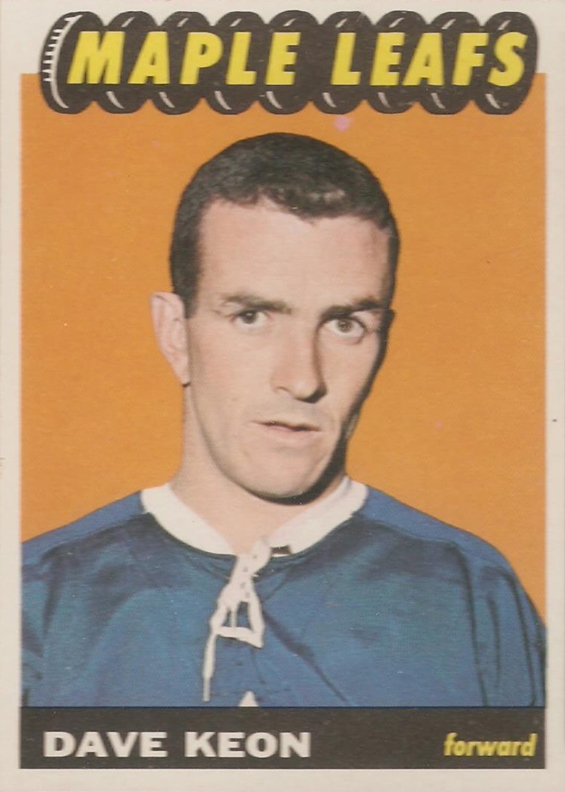
Dave Keon Ends Nine-Game Goal Drought With Natural Hat Trick (1966)

Dave Keon found a welcome scoring breakthrough on March 5, 1966. Entering the Toronto Maple Leafs’ matchup with the Chicago Blackhawks at Maple Leaf Gardens, he had gone nine consecutive games without a goal. That drought ended emphatically as Keon scored a natural hat trick to lead Toronto to a 5–0 victory.


Highlights

  • Keon entered the game with a nine-game goal drought.

  • His opening goal at 1:07 stood as the game-winner.

  • He completed a natural hat trick at 12:17 of the second period.

  • George Armstrong and Ron Ellis added third-period goals.

  • Bruce Gamble stopped all 33 Chicago shots.

  • Bob Pulford led Toronto with eight shots but recorded no points.

  • Bobby Hull led Chicago with six shots.


Keon Strikes Early Against Glenn Hall

Keon needed just 1:07 to score his 19th goal of the 1965–66 NHL season. Bob Baun and Allan Stanley assisted on the opening goal against Chicago goaltender Glenn Hall. It proved to be the only goal of the first period and, with Bruce Gamble keeping the Blackhawks off the scoreboard, the eventual game-winner.

A Natural Hat Trick in the Second Period

A cross-checking penalty assessed to Stan Mikita at the end of the first period gave Toronto a power play to begin the second. Keon capitalized just 50 seconds after the intermission, scoring with assists from Kent Douglas and George Armstrong. At 12:17, he struck again, this time with help from Larry Hillman. By scoring the game’s first three goals, Keon completed a natural hat trick and put the Maple Leafs firmly in control.

Armstrong and Ron Ellis added third-period goals to complete the 5–0 win. Keon finished with six shots on net, converting half of them. Bob Pulford was even busier around the Chicago goal, recording eight shots, although he finished without a point.

Bruce Gamble Keeps Chicago Quiet

At the other end, Gamble stopped all 33 shots he faced to earn the shutout. Bobby Hull led Chicago with six shots, but even the Blackhawks’ most dangerous scorer could not find a way through Toronto’s goaltender.

The hat trick stood out during an otherwise lean scoring stretch for Keon. After going nine games without a goal before facing Chicago, he scored just three more over Toronto’s final 14 games of the season. On this night, however, his finishing touch and Gamble’s perfect performance combined for a decisive Maple Leafs victory.

Keon and Me: My Search For The Lost Soul Of The Leafs cover

Keon and Me: My Search For The Lost Soul Of The Leafs

A heartfelt journey through the legacy of Dave Keon and the soul of the Toronto Maple Leafs franchise.

Buy on Amazon
The PDF versions of some of our hockey books are now available for free download: Take a look!

Monday, September 21, 2026

Number 23 Scores No. 23: Bob Gainey’s Career-Best Goal Total

Bob Gainey built his reputation as one of the NHL’s finest defensive forwards, but Montreal’s number 23 could contribute at the other end of the ice, too. The Peterborough, Ontario native scored 239 regular-season goals during his career and reached the 20-goal mark four times. His personal best came in 1980-81, when he scored 23 times. Fittingly, goal number 23 was a game-winner against the New York Islanders.


Highlights

  • Gainey scored a career-high 23 goals in 1980-81.

  • His 23rd came against the Islanders on March 31, 1981.

  • Rod Langway and Doug Jarvis assisted on the milestone goal.

  • The second-period tally was the winner in Montreal’s 3-1 victory.

  • Gainey’s 47 points that season also represented a career high.

  • Montreal retired his number 23 on February 23, 2008.


On March 31, 1981, the Canadiens hosted the Islanders at the Montreal Forum. The teams exchanged first-period goals, then remained tied at 1-1 through much of the second. With two of the league’s top clubs locked in a tight contest, Gainey supplied the breakthrough.

At 16:52 of the second period, Gainey beat Islanders goaltender Roland Melanson for his 23rd goal of the season. Rod Langway and Doug Jarvis earned the assists as Montreal moved ahead 2-1. The Canadiens went on to win 3-1, leaving Gainey’s milestone goal as the deciding tally.

Gainey also established a career high with 47 points that season. Montreal finished first in the Norris Division and third in the NHL’s overall standings, behind the Islanders and St. Louis Blues. That regular-season success did not carry into the playoffs, however. The Edmonton Oilers swept the Canadiens in their opening-round series.

From 1973-74 through 1988-89, Gainey played 1,160 regular-season games and another 182 playoff contests, all with Montreal. His career included five Stanley Cup championships and four Selke Trophy wins, followed by induction into the Hockey Hall of Fame in 1992. The Canadiens retired his number 23 on February 23, 2008, another fitting numerical connection for a player whose best goal-scoring season peaked at 23.

A Great Game: The Forgotten Leafs & the Rise of Professional Hockey cover

A Great Game: The Forgotten Leafs & the Rise of Professional Hockey

Explore the fascinating early history of professional hockey, including the forgotten Toronto teams, personalities, and events that helped shape the game into Canada's national winter obsession.

Buy on Amazon
The PDF versions of some of our hockey books are now available for free download: Take a look!

Sunday, September 20, 2026

Finding His Footing in New York: Bruce MacGregor’s Five-Point Breakout

Bruce MacGregor needed a little time to find his footing with the New York Rangers. On February 1, 1971, the Detroit Red Wings traded the veteran forward and Larry Brown to New York for Arnie Brown, Tom Miller and Mike Robitaille. After 673 regular-season games with Detroit, MacGregor was adjusting to unfamiliar surroundings. Through his first 12 games as a Ranger, he had two goals and five assists, with three of those assists coming against his former club.


Highlights

  • Detroit traded Bruce MacGregor to the Rangers on February 1, 1971.

  • He recorded seven points through his first 12 games with New York.

  • On March 3, he scored three goals and added two assists against California.

  • His first goal was the game-winner; his third came shorthanded.

  • Pete Stemkowski also finished with five points: two goals and three assists.

  • New York outshot California 46-20 in the 8-1 victory.

  • Ed Giacomin stopped 19 shots, allowing only a Norm Ferguson power-play goal.


On March 3, 1971, everything clicked. With the California Golden Seals visiting Madison Square Garden, MacGregor delivered a hat trick and two assists in an 8-1 Rangers victory. His five-point performance more than doubled his goal total with New York and gave the home crowd a memorable introduction to what their recent acquisition could contribute.

Walt Tkaczuk opened the scoring at 4:50 of the first period before MacGregor made it 2-0 at 14:19. Larry Brown and Pete Stemkowski assisted on the goal, MacGregor’s ninth of the season, against California goaltender Gary Smith. It ultimately stood as the game-winner. MacGregor struck again at 14:01 of the second period, with Stemkowski supplying another assist, to send the Rangers into the intermission ahead 4-1.

MacGregor completed his hat trick at 5:37 of the third period, this time while the Rangers were shorthanded. With Jim Neilson serving a tripping penalty, MacGregor beat Smith with help from Stemkowski and Andre Dupont. He then returned the favour to Stemkowski, assisting on two of his teammate’s goals to finish with three goals and two assists. Stemkowski also recorded five points, combining two goals with three assists and leading the Rangers with seven shots.

The Rangers kept Smith under pressure throughout the evening, firing 46 shots and forcing the California goalie to make 38 saves. At the other end, Ed Giacomin stopped 19 of 20 shots, beaten only by a Norm Ferguson power-play goal in the second period. Just over a month after leaving Detroit, MacGregor had delivered his biggest offensive night yet as a Ranger.

Deal With It: The Trades That Shook Hockey & How They Changed The Game cover

Deal With It: The Trades That Shook Hockey & How They Changed The Game

A fascinating look at the blockbuster trades that reshaped NHL history, revealing the stories, strategies, and consequences behind the deals that changed teams — and the game itself.

Buy on Amazon
The PDF versions of some of our hockey books are now available for free download: Take a look!

Thursday, September 17, 2026

Bryan Trottier Wins It With One Second Left Against the Flyers

With just one second remaining in regulation, Bryan Trottier completed an improbable New York Islanders comeback against the Philadelphia Flyers.


Highlights

  • January 17, 1986, at the Philadelphia Spectrum

  • Flyers led 3-1 after two periods

  • Mark Hamway started the Islanders’ comeback

  • Brent Sutter tied the game at 3-3

  • Bryan Trottier scored with one second remaining

  • Mike Bossy and Greg Gilbert assisted on the winning goal

  • Billy Smith made 21 saves in the 4-3 victory

  • Trottier’s winner was his 21st goal of the season


On January 17, 1986, the Flyers hosted the Islanders at the Spectrum in Philadelphia. The home team carried a comfortable 3-1 lead into the second intermission after goals from Brian Propp, Dave Poulin and Ilkka Sinisalo. Poulin’s goal came while Philadelphia was shorthanded.

The Islanders Rally in the Third Period

New York began its comeback just 2:20 into the third period. Mark Hamway scored his fourth goal of the 1985-86 season, assisted by Gord Dineen and Duane Sutter, to reduce the Flyers’ lead to one.

Just over ten minutes later, Duane’s brother Brent Sutter tied the game at 3-3. His ninth goal of the season beat Philadelphia goaltender Bob Froese, with Mikko Makela and Denis Potvin earning the assists.

Bryan Trottier Beats the Clock

With overtime appearing inevitable, Bryan Trottier delivered the winning goal at the last possible moment. Trottier scored his 21st of the season with only one second remaining, giving the Islanders a dramatic 4-3 victory. Mike Bossy and Greg Gilbert assisted on the goal, which came on Trottier’s third shot of the night.

Froese and Islanders goaltender Billy Smith each faced 24 shots, with “Battlin’ Billy” making one additional save. Bossy, Gilbert and Potvin recorded two points apiece for New York, while Mark Howe and Brian Propp did the same for Philadelphia. Tim Kerr led all players with six shots on goal but was kept off the scoresheet.

One second was all Bryan Trottier needed to turn a likely overtime game into an unforgettable Islanders victory.

All Roads Home: A Life On and Off the Ice cover

All Roads Home: A Life On and Off the Ice

The autobiography of Bryan Trottier — his journey through hockey greatness and life beyond the rink.

Buy on Amazon
The PDF versions of some of our hockey books are now available for free download: Take a look!